Most businesses face unique security challenges, and the food service industry is no exception. Restaurants, in particular, are highly vulnerable to criminal activities such as cyber-attacks, burglary, and theft. With significant amounts of cash often kept on-site, they can become prime targets for armed robberies, employee theft, and other crimes. To address these risks, it is essential for restaurant owners to develop and implement comprehensive crime prevention strategies and security procedures tailored to their operations.
(888) 495-8884
(888) 495-8884
Live Chat
Keeping Your Business Safe with Restaurant Security Solutions
Last updated on November 2024


Making Restaurant Security Top Priority
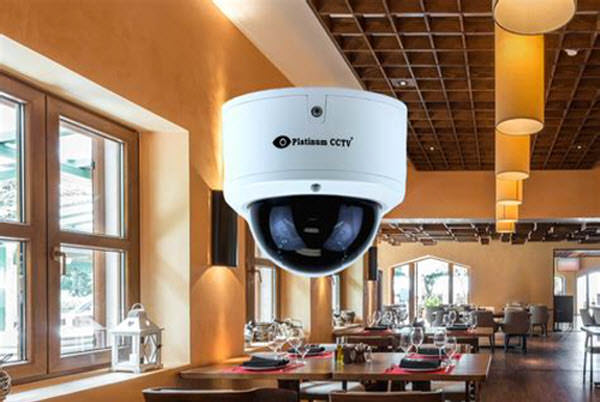
Dining and drinking establishments represent the largest sector of the retail industry. Surveys indicate that 1 in 3 adults regularly dine out. In the United States, the food service industry employs over 9 million people, with 1 in 4 retail locations being either a restaurant or a bar. Late-hour venues often see higher sales but are also at greater risk for robbery and data breaches. This highlights the importance of a comprehensive restaurant security policy, particularly during the holiday season. Consulting with restaurant security specialists can provide valuable insights and strategies to protect your business from common threats such as robbery, employee theft, food inventory loss, and other potential risks.
Armed Robberies, Burglaries and Violence
While armed robberies at restaurants are not common, they do happen and pose significant risks of injury or even death. Such incidents often involve current or former employees, who may recruit friends to act as accomplices. The most vulnerable times for these robberies are during opening and closing hours. Similarly, violence at restaurants can involve both employees and customers, ranging from verbal threats to physical assaults involving fists, knives, or firearms. In some cases, violence may escalate to include street gang activity or drug-related issues within the premises. These incidents are more likely to occur or intensify when no authority figure is present to maintain order.
Violent crimes at fast-food establishments highlight the need for robust safety programs, especially for franchises and chains. Implementing the best security systems for restaurants should be an integral part of your restaurant management system. These systems may recommend measures such as intrusion detection alarm systems to deter burglaries and ensure the safety of staff and customers.
Threats from Within
Most restaurant owners prefer to place their faith and trust in their staff, choosing to see the best in people. Waiters, bartenders, and cashiers are often entrusted with handling money and goods, which can be difficult to monitor. Unfortunately, some restaurateurs turn a blind eye to employee theft, assuming it won’t become an issue as long as the dishonest behavior stays within perceived limits and staff appear content with their earnings. However, this does not diminish the severity of the problem. In fact, employee theft is the most frequently reported crime in the restaurant industry. This happens because restaurant staff have unique access to assets and a deep understanding of operational processes, providing ample opportunity to exploit vulnerabilities. Manipulating sales transactions is one of the most common methods of cash theft, alongside misuse of coupons, gift certificates, credit cards, and complimentary passes. Many restaurant owners unintentionally place too much trust in employees responsible for cash and inventory, leaving room for dishonest practices to flourish.
Fortunately, technology provides solutions that many restaurateurs are already leveraging to their advantage. Restaurant security systems offer the tools and resources needed to effectively manage operations while minimizing loss and damage. Modern restaurant surveillance systems make security more accessible than ever, often eliminating the need for traditional security agencies and providing a more affordable alternative. The key is selecting the right software to meet your business needs. The best security systems for restaurants are user-friendly and allow easy access to cameras and footage anytime, anywhere. For example, Xeoma is highly regarded for its simplicity and effectiveness, making it easy to set up and manage a reliable security system.
How to Set Up Restaurant Security Systems
Criminals often target unsecured or easily accessible locations for robberies and thefts, typically casing the area beforehand. However, there are preventative measures you can take to enhance your restaurant’s security. Investing in a robust restaurant security system that can deter, react to, and even record criminal activities or other incidents effectively and efficiently is a worthwhile consideration. Here are three key components to keep in mind:
- Alarm Systems: While traditional, alarm systems remain an effective way to deter thieves. With modern innovations, many systems can be connected to a telephone line or network to immediately alert you and the authorities. Beyond deterring crime, alarm systems can also address accidental incidents. For example, if a kitchen staff member inadvertently leaves an oven or fryer on overnight, a smoke detector connected to your alarm system can notify the fire department within seconds, minimizing collateral damage.
- Audio and Video Systems: Strategically positioning microphones and cameras in discreet locations throughout your premises allows you to monitor potential issues and maintain a reliable record of events. These systems are invaluable during worst-case scenarios, such as outbreaks of violence or robberies. Security cameras also act as a deterrent; prominently displaying their presence signals to criminals that their actions are being recorded, making them think twice about attempting illicit activities.
- Proper Lighting: Adequate lighting is essential for keeping your restaurant’s interior and parking areas safe and secure. Criminal activities, such as vandalism, are less likely to occur in well-lit spaces. Installing motion-sensitive switches connected to your lighting system can further enhance security by activating lights when movement is detected, discouraging crime while also preventing accidents. This ensures employee safety, reducing risks like tripping in poorly lit areas.
Utilizing Restaurant Security Personnel

Security guards are generally not necessary for most food service establishments. However, bouncers can be an excellent addition to restaurant security systems for venues that serve alcohol and operate late into the night. A well-trained bouncer can help keep your business, customers, and employees safe by defusing potentially violent situations. Bouncers can also complement your security setup by monitoring CCTV feeds or conducting security checks of your premises.
For maximum safety, consider pairing or grouping bouncers to reduce the risk of injuries on the job. They can also double as escorts for staff and customers at the end of service, walking employees to their cars or assisting customers in waiting for a cab or rideshare home. This added layer of security can enhance your business's reputation as a safe and reliable place to visit.
If bouncers are not part of your security plan, instruct your employees to open and close the restaurant in pairs. This simple yet effective safety measure reduces the likelihood of crimes such as mugging or assault, which are more often directed at individuals than groups. Taking such precautions ensures a safer environment for everyone involved.
Honesty is the Best Policy

Every restaurant, regardless of its size or complexity, should have a clear and straightforward honesty policy for all staff members. This policy should explicitly state that theft or any unauthorized use of restaurant assets is strictly prohibited. Unfortunately, some employees may disregard such policies if they are not formally documented, mistakenly believing that theft and other unacceptable behaviors will go unpunished. To address this, new hires should sign the honesty policy upon employment, confirming their agreement to abide by it. This should be accompanied by a prosecution policy, emphasizing that all criminal acts will be consistently pursued. Implementing a loss reporting procedure is also essential for identifying and investigating any incidents of criminal activity.
Given the transient nature of the restaurant workforce, employee screening is a critical aspect of restaurant security. This includes conducting reference checks with previous employers, as well as criminal and credit background checks for employees handling money or possessing keys to the building. Employers can be held liable for negligent hiring if they fail to adequately vet staff members who may pose a security risk.
Whether you operate a single-location restaurant or a chain with multiple sites, a robust restaurant security system is vital for protecting your operations, assets, staff, and customers. These systems can also provide valuable business insights and increase your restaurant's profitability. In some cases, installing a video surveillance system may even be a requirement for obtaining a restaurant business license in the food service industry.