Every commercial venue understands that providing great service is essential for the survival of a business. In addition to ensuring customer satisfaction, entrepreneurs—particularly restaurant owners—are increasingly prioritizing environmental consciousness in response to growing demand for sustainable alternatives. Recycling has become a significant focus, and many dining establishments are adopting this practice. Making your business eco-friendly not only benefits the environment but can also reduce costs. Using recycled materials in both restaurant furniture and design has become a popular and practical trend.
(888) 495-8884
(888) 495-8884
Live Chat
How Commercial Venues are Using Recycled Materials in Restaurant Furniture
Last updated on November 2024


Reclaimed Wood
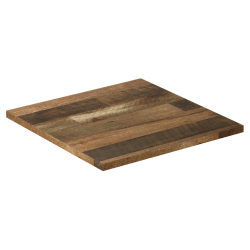
Reducing, reusing, and recycling can significantly lower costs. Restaurant furniture manufacturers are taking note by crafting furniture from recycled materials that meet rigorous commercial testing standards. For example, many furniture manufacturers use reclaimed wood to create restaurant tables.
Salvage distributors around the globe offer reclaimed wood sourced from demolished structures. Purchasing reclaimed wood from these providers for use in floors, restaurant table tops, wood chairs, and walls adds a unique visual flair and personality to your restaurant’s design. The natural beauty of aged wood exudes charm, breathing life into any piece of furniture. Reclaimed wood is an excellent choice for adding character to your restaurant without exceeding your budget.
The benefits of using restaurant furniture made from reclaimed wood go beyond enhancing décor; they also promote sustainability and recycling. However, reclaimed wood furniture is best suited for small businesses with moderate foot traffic, as the material is less resistant to daily wear and tear compared to newly sourced wood.
Recycled Structural/Stainless Steel
Metal is a top choice for restaurant seating solutions, particularly for restaurant chairs, bar stools, and table bases. Reused structural (stainless) steel, sandblasted in black or dark grey, provides a striking contrast to the softer wood materials often used for table tops and seats. This combination creates an industrial aesthetic that makes a bold statement about the overall concept of the dining space. However, the primary motivation for furniture manufacturers and customers opting for reusable structural steel is the significant environmental benefits it offers, including reduced energy consumption, lower carbon emissions, and minimized ecological impact.
American steelmaking furnaces consume approximately 70 million tons of domestic steel scrap annually. Recycling is at the core of the steel industry’s commitment to sustainability. By using recycled steel to design table bases, table legs, and frames for restaurant chairs and bar stools, you help conserve energy, raw materials, reduce emissions, and preserve natural resources. The continuous demand for steel scrap drives the recycling of numerous steel products, such as car parts, appliances, cans, and construction materials. Additionally, the physical properties of steel allow it to be recycled indefinitely without compromising quality or strength. This dedication to recycling lowers production costs while delivering high-quality restaurant furniture made from advanced reused steel, meeting both commercial standards and customers’ seating needs.
Eco-Friendly Upholstery Textiles
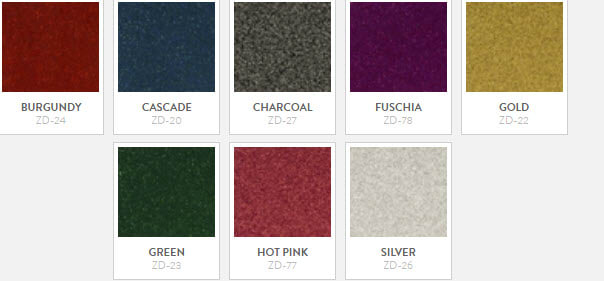
High-tech is not an association people typically make with fabric, especially for booth seating. But that is what is has become in the most recent years. Innovation championed with asustainability has brought about a revolution of new materials and processes that is changing the furniture industry at a rapid pace. Due to an increase of supply and demand, eco-friendly upholstery textiles are available to both the commercial and residential furnishing market. Several criteria go into producing environmentally-friendly upholstery but there are some basic fundamental questions you should ask:
- Is it recyclable?
- Is the textile made of recyclable materials?
- Is the fabric/vinyl easily biodegradable?
- Is the material produced through a green manufacturing processes without chemically based harmful byproducts?
- Does it meet MBDC guidelines?
- Does the supplier have a company-wide sustainability policy?
Power of Plastic
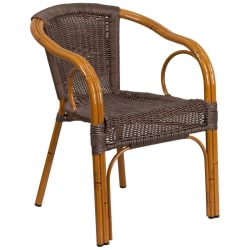
Using recycled materials does not mean sacrificing luxury and comfort when it comes to restaurant patio furniture. In fact, patio furniture made from reused sources is beautifully crafted, durable, and comfortable. Selecting the best material for patio furniture requires some research and comparison. As with any piece of restaurant furniture, you’ll want to weigh factors such as price, strength, and aesthetics. Additionally, when purchasing patio furniture, it’s important to consider key elements like functionality, weather resistance, durability, aesthetics, and sustainability.
Much of today’s sustainable patio furniture is made from recycled plastic, primarily high-density polyethylene (HDPE) sourced from milk cartons and other containers. These materials can often be recycled again at the end of their life cycle. Patio furniture made with a high percentage of HDPE is resistant to chipping, corrosion, and discoloration, while also being impervious to insects, mold, and moisture. Aluminum, known for its corrosion resistance and recyclability, is another excelle